

When trust gets wobbly...
... and even the small things ask for a second thought.

Sometimes, you make a decision thinking it’s one thing, and it turns out to be that plus a dozen other things you didn’t ask for.
A couple of years ago, after my mom passed away, I decided to spend more time in the Philippines — the country of my birth, but one I barely knew. I figured it’d be an adventure. Everyone was doing the digital nomad thing. I thought, why not me?
I sold the condo in Florida, embraced the minimalist lifestyle, and started spending months at a time in Asia. I resurface in the US every few months, then head back to the other side of the world. A cross-continental snowbird kind of thing. As you can imagine, there were plenty of discoveries — about the country, the culture, and unexpectedly, about myself.
What caught me off guard was how much harder trust had become. I feel a hesitation, a slight wariness that wasn’t there before. It feels as if there’s a new filter sliding in place. Without noticing when or why exactly, I’d become more cautious. About people. About good intentions. Even a Grab ride (that’s an Uber in Manila) requires a second extra consideration.
Is this a function of everything having shifted in my life? Or a natural by-product of getting older?
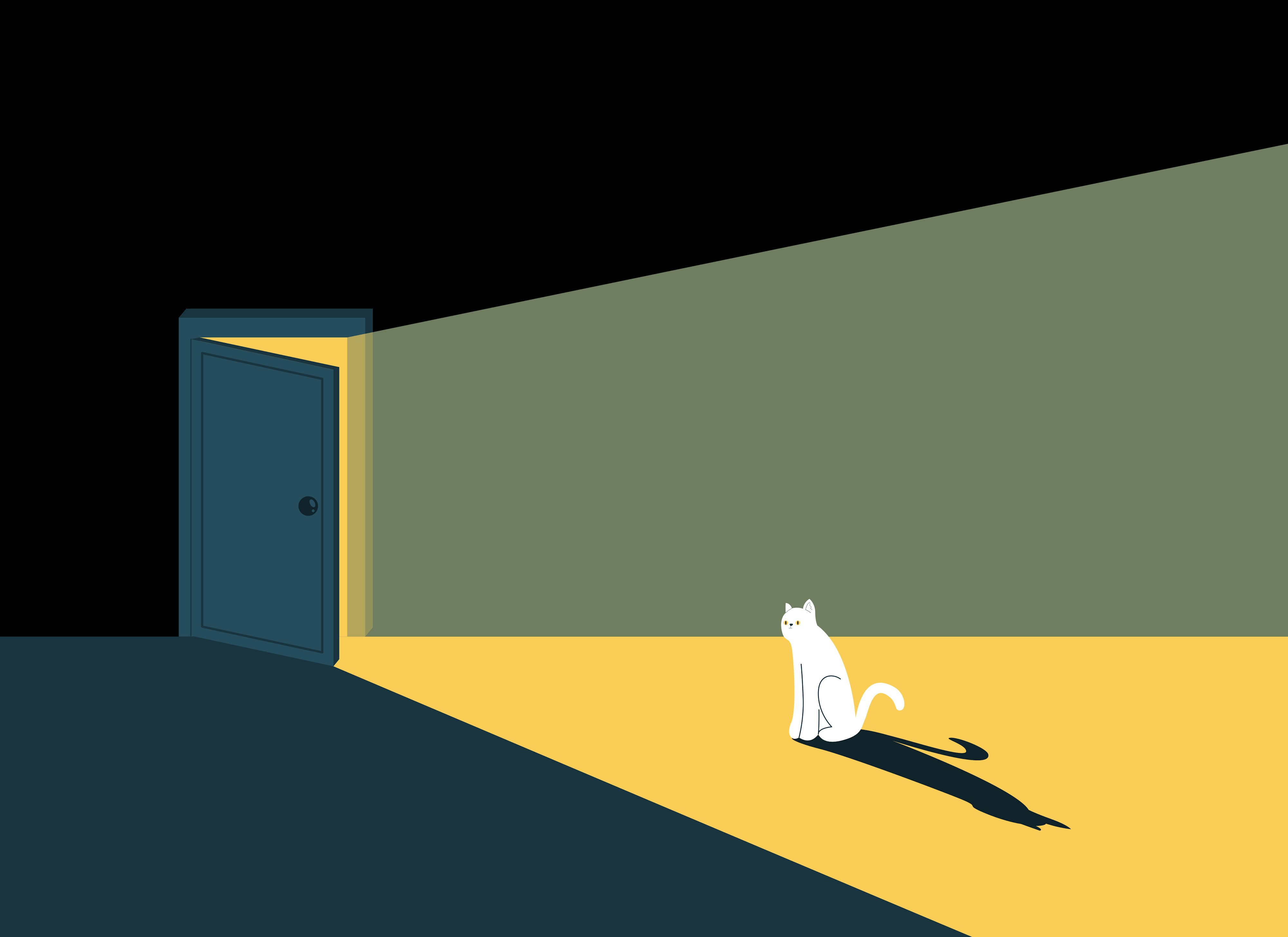
We hear this dialogue in movies sometimes, when the protagonist is going through some major wobble-inducing thing, and they say something like, “I don’t know who else I can trust right now.” Or, “You’re the only one I can honestly trust right now.” Those lines used to sound overly dramatic to me. Now, they sound totally reasonable.
To trust something, or someone, or a situation, or a place is to expect a level of stability or grounding. You know if x happens, y follows, and so on. But during major change, when everything’s suddenly tossed in the air, trust becomes less of a default and more of a daily decision. You’re constantly scanning: What’s still solid? Who’s still safe?
What I’m coming to realize is that trusting — or maybe re-trusting is the better word — shifts with the seasons in our lives. When a massive change in our lives happens, the ground we stand on shakes, and perhaps, trust wobbles then too. And we have to find our way to solid footing to be able to trust again.
What’s interesting, though, is that when I’ve chatted with friends about this, they too have said something similar, even though they’re not experiencing a big change in their lives. The theme seems to be that trust used to feel automatic. Now it comes with fine print.
Then again, maybe it’s the same thing? Getting older means moving into different seasons, and different seasons mean change. It isn’t as drastic as moving to a new country. But getting older often lets us see things differently. The glasses we wear get less rose-tinted. It’s not that we distrust more; it’s that we trust with discernment.
• • •
In his book The Thin Book of Trust, Charles Feltman defines trust as:
“Choosing to risk making something you value vulnerable to another person’s actions.”
Choosing to risk.
Something you value.
Vulnerable.
To someone else’s actions.
When I first read that, I winced. That’s like Ethan Hunt swinging between buildings level of trust.
I mean, it’s one thing to talk about trust in the abstract. It’s another to actually risk something real and tender and not easily replaced.
But Feltman also offers a helpful reframe: distrust isn’t necessarily permanent. It’s contextual. It’s an assessment — a belief that something you care about isn’t safe in a specific situation. And so that can change. It can feel safer over time, or we can find ourselves in a safer situation. That helped me soften my own reaction. I wasn’t becoming closed off. I was simply adjusting to new terrain, finding safer spaces.
And adjusting to new terrains isn’t really optional. Not if we want to be able to re-trust. As American painter and writer Walter Anderson reminds us, “We’re never so vulnerable than when we trust someone — but paradoxically, if we cannot trust, neither can we find love or joy.”
✴️ Have you found your ability to trust changing as you get older? What’s it like for you to trust these days?

💭 not Socrates, but close enough
“People can live a hundred years without really living for a minute. You climb up here with me, it’s one less minute you haven’t lived.” — Logan Huntzberger (Gilmore Girls)
➤ Our gentle reminder that technically alive is not the same as actually living. Go climb something (metaphorically… or literally. Either way).
🍹 reader shout-out
Say hello to WAGO reader, Brodee Myers-Cooke, who’s tackling the delightful paradox: how do we grow younger while growing older? (why, gloriously, of course!) After decades in magazine publishing, Brody’s now writing on Substack about science-backed, joy-fuelled ways women 50+ can age like rebels with moisturiser. Her essays are a lovely mix of curiosity, wisdom, and just the right amount of sass. Find her at Road Trip to Younger.
🍭 echo chamber
Huge thanks to those of you who popped into our shiny new Town Center and got brave enough 😉 to wave hello and introduce yourselves. If you haven’t yet, consider this your nudge: come take a peek, see who’s milling about, and tell us a bit about you. It’s our very own welcome mat (minus the awkward small talk and cheddar cubes).
💬 last word
Trust might be a little wobblier these days. But maybe that’s just part of it. Figuring it out as we go, scanning the scene, trying not to trip over ourselves. Even if we’re just dancing in the dark.
Everything is fine,
Lou Blaser
(Vice Deputy of Whatever This Is)
Trust is a bit of an issue as I grow older. That's in part due to life experience, but also perhaps a broader perspective, maybe? I'm not sure. I am sure that I'm more cautious on the daily, not just in unfamiliar situations.
This has a lot to do with technology, and a huge uptick in scammy phonecalls, texts, and emails. I've either become a detective or a paranoid old hag, it's hard to tell.
Oh yeah, not handing out trust the way I used to , for sure. lol
For starters, we have to acknowledge that there are obvious issues for women of course
I also think there's a psychological depth to the idea that when our parents passed away, we can feel less protected in the world. Even though that doesn't logically make sense, formatively it does.
The aha for me is when you talked about us just being older and having had more experience. We've simply gathered more experiences at this point and are more careful and thoughtful about our choices.
Kudos to you for your adventure as well. That takes some bravery. 😊