

Can we do the work without the applause?
even when no one's watching and nothing comes of it

WAGO is a continuing conversation about who we are becoming and the lives we are unfolding as we get older.
Hello,
In a recent re-reading of Austin Kleon’s Keep Going: 10 Ways to Stay Creative in Good Times and Bad, this passage caught my attention:
“When my son Jules was two, I spent a ton of time watching him draw. I noticed that he cared not one bit about the actual finished drawing (the noun) — all his energy was focused on drawing (the verb). When he’d made the drawing, I could erase it, toss it in the recycling bin, or hang it on the wall. He didn’t really care. He was also medium agnostic: he was just as happy with crayon on paper, marker on a whiteboard, chalk on the driveway, or, in a medium that put his parents’ encouragement to the test, chalk on the outdoor couch cushions.”
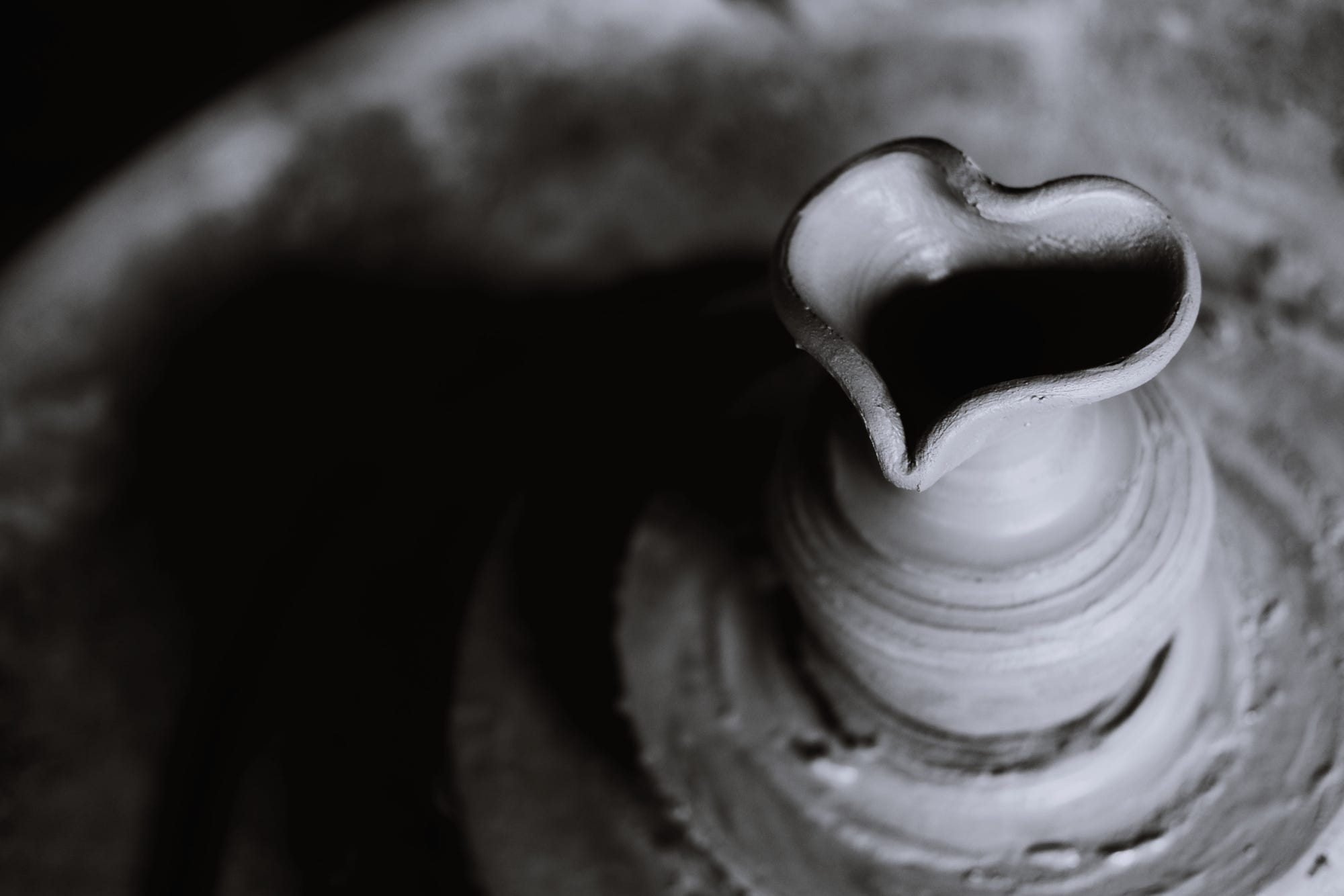
Kleon recounts this story with his son in a chapter about focusing on the doing and not so much on the being, or on the labels that we claim for ourselves (for instance, on writing versus being a writer). “Forget the nouns altogether,” he says. “Do the verbs.”
I get that part for sure, but the story landed for me for a couple of other reasons, too.
One was about the lack of any need for validation. Kleon’s son didn’t pause to see if anyone was watching. He didn’t look up for approval. He didn’t check his parents’ faces or listen for applause. He just kept going.
Which made me wonder: when did we learn to look up? When did the shift from absorption to being aware of an audience start? The switch from doing to being seen doing.
My brother, a retired doctor, painted as a hobby for years and years. A couple of his watercolor paintings hang in their house, but most of them, hundreds, are stacked neatly in their basement. He took out those brushes for himself — more often now that he’s retired — not for an audience but for himself. To be absorbed in doing something he enjoyed, to lose track of time, creating from his imagination.
The last time I visited him, I asked for a tour of the basement and look at all his paintings. I said to him, “You can have an art show!” He told me he had actually done so, once, a long time ago, at the urging of a friend. But that’s not what it’s about, he said. That’s not why he paints. You know, I admire him so much for that.
I think about my work and various projects, creatively or not, that feed from the validation I get from others, and how I react when I do not get it. I think about what I do in private and reaffirm to myself that those are equally meaningful as the ones I choose to share and be witnessed by others. I think about how I could reclaim the spirit of a kid, like Kleon’s son, and not care too much about external validation.
• • •
The second thing about the story that landed for me was his son’s utter indifference to the outcome.
“I could erase it, toss it in the recycling bin, or hang it on the wall. He didn’t really care.”
Wow. That line feels almost radical in an adult context. We rarely engage in anything that casually anymore. I mean, most of what we do these days carries some kind of implied obligation — to be useful, to be shareable, to be “good” — which, usually, is something we’ve come up with all by ourselves, to justify the time we spent doing the thing.
But Kleon’s son, he demonstrates a form of engagement where the result was optional. The act was the point. The outcome — no matter what — was just what happened next.
Okay. Obviously, outcomes matter. Finishing matters. This is how we earn a living or move forward in life. I’m looking out the window as I write this, watching construction workers build a new condominium tower across the street. Clearly, the outcome of their work matters. Matters a very great deal, actually.
But there are loads of other work, creative or otherwise, that aren’t quite as outcome-critical. And I love the lightness of the relationship to the result that this story highlights. No clinging. No anxiety. No despair if the outcome didn’t turn out as imagined (or hoped for).
I’m interested in bringing a bit more of that energy into my life. A loosening of my grip on “desired outcomes”. A focus on the doing, and enjoying that part — like, really enjoying, not just an “oh well, at least I enjoyed it”.
• • •
Georgia O’Keeffe once said, “I have already settled it for myself, so flattery and criticism go down the same drain and I am quite free.”
I can’t claim the level of freedom as I write this, but it certainly is aspirational, and I’d like to head in that direction. Especially as I spend this year thinking about creative life — not capital-C Creative… but in the ordinary ways we stay engaged with what we’re making and doing, even when nothing comes of it.
✴️ What’s something you might keep doing even if no one was watching and nothing came of it?
🏷 Enoughness

💬 last word
Nothing like David Bowie reminding us that the doing is really enough. No need to plan. No expectations, just movement. Let’s dance.
All my best,
Lou Blaser
Lou Blaser writes We’re All Getting Older, a weekly essay series about change, meaning, and the lives we’re unfolding. She also maintains The Filtered, a digital library for reading, learning, and thinking better.
Your article this morning reminds me of a story my sister used to tell. She was an elementary art teacher. "That's a beautiful dog, Johnny." "That's not a dog, That's the pond at my Grandpa's farm." After that, she started asking instead of telling. From the minute kids step into schools in the US until they leave, we set expectations for them. It's called outcome-based education. It takes a lot to undo some of the things we learn as children. Enjoyed your post, Lou.
Lou, I love how you found a balanced place of wanting to feel more lightness around outcomes. I think this is the key. It's not about wishing for an outcome as much as how strongly we hold onto it. I'm pretty sure there's some secret desired outcome in Kleon's advice to focus on the verb when creating. Like, if you focus on the verb, some magical outcome will happen. I know for myself, I want my writing to be read. I'm not writing for myself, but to serve others. If it's not read, I might as well do something else. But like you, I don't want to hold tightly to the outcome.